Salt is one of the oldest and most essential minerals used by humans, but not all salt is created equal. In recent years, raw salt has gained massive attention for its natural purity, mineral content, and health-friendly properties. As consumers become more conscious about what they eat, raw salt is emerging as a preferred alternative to highly refined table salt.
This complete guide explains what raw salt is, how it is made, its types, benefits, uses, and how it differs from refined salt, helping you make an informed choice.
What Is Raw Salt?
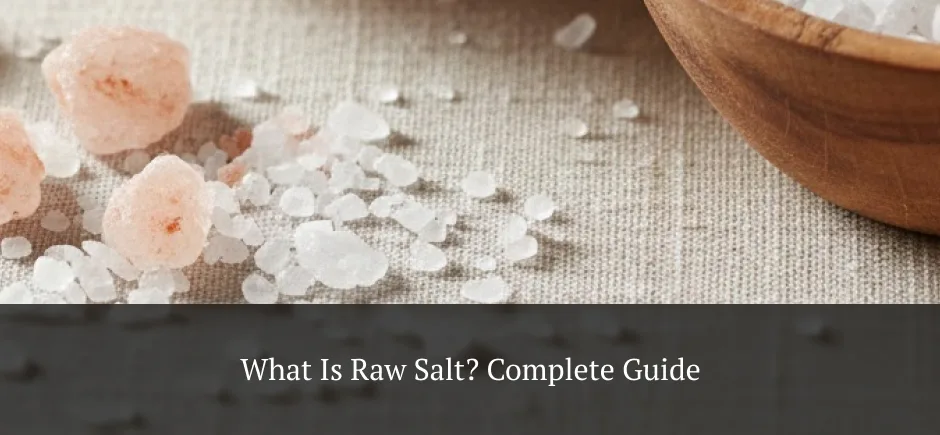
Raw salt is salt that is harvested directly from natural sources such as sea water, salt lakes, or underground salt mines and undergoes minimal processing. Unlike refined salt, raw salt is not chemically treated or heavily processed, allowing it to retain its natural minerals.
Raw salt typically appears in coarse crystals and may have a slightly off-white, pink, grey, or black color depending on its mineral composition and source.
How Is Raw Salt Made?
The production of raw salt follows traditional and eco-friendly methods:
1. Natural Evaporation
Sea water or saline water is collected in shallow pools and left under the sun. As water evaporates, salt crystals naturally form.
2. Hand Harvesting
The crystals are carefully collected by hand or with simple tools to preserve purity.
3. Minimal Cleaning
Raw salt may be lightly washed or sun-dried but does not undergo bleaching or chemical refining.
This process ensures that the salt remains as close to its natural state as possible.
Types of Raw Salt
Raw salt comes in several varieties, each with unique characteristics:
1. Sea Raw Salt
Harvested from ocean water, rich in trace minerals like magnesium and calcium.
2. Himalayan Pink Raw Salt
Mined from ancient salt deposits, known for its pink color due to iron content.
3. Black Raw Salt (Kala Namak)
A mineral-rich salt with a distinctive sulfur aroma, commonly used in Indian cuisine.
4. Rock Raw Salt
Extracted from underground salt mines, coarse in texture and mineral-dense.
Raw Salt vs. Refined Salt
| Feature | Raw Salt | Refined Table Salt |
|---|---|---|
| Processing | Minimal | Heavy chemical processing |
| Minerals | Naturally present | Mostly removed |
| Texture | Coarse & natural | Fine & uniform |
| Additives | None | Anti-caking agents, iodine |
| Taste | Rich & complex | Sharp & flat |
Raw salt retains its natural balance of minerals, while refined salt is stripped down to almost pure sodium chloride.
Health Benefits of Raw Salt
When consumed in moderation, raw salt offers several potential benefits:
1. Rich in Natural Minerals
Contains trace minerals like potassium, magnesium, iron, and calcium that support overall wellness.
2. Supports Digestion
Raw salt helps stimulate digestive enzymes and improves nutrient absorption.
3. Maintains Electrolyte Balance
Helps regulate hydration and nerve function naturally.
4. Better Sodium Balance
Less processed sodium may reduce sudden spikes in blood pressure when compared to refined salt.
Note: Raw salt is healthier when used responsibly. Excess salt of any kind can be harmful.
Culinary Uses of Raw Salt
Raw salt is highly valued by chefs and home cooks alike:
- Seasoning vegetables, meats, and seafood
- Enhancing flavors without overpowering food
- Used as finishing salt for gourmet dishes
- Baking and fermentation
- Pickling and preserving food
Its coarse texture and rich taste make it ideal for natural cooking.
Non-Culinary Uses of Raw Salt
Raw salt is not limited to the kitchen:
Personal Care
- Natural salt scrubs
- Bath salts for relaxation
- Foot soaks for detox
Home & Wellness
- Salt lamps
- Air purification
- Traditional remedies
How to Identify High-Quality Raw Salt
When buying raw salt, look for:
- Natural color (not pure white)
- Coarse or uneven crystals
- No additives or chemicals
- Source transparency
- Minimal packaging processing
High-quality raw salt should smell fresh and taste clean.
Is Raw Salt Safe for Daily Use?
Yes, raw salt is safe for daily consumption when used in moderation. Because it contains natural minerals, many people find it easier to digest compared to refined salt. However, individuals with medical conditions should consult healthcare professionals.
Why Raw Salt Is Gaining Popularity
- Rising demand for organic and natural foods
- Awareness of chemical additives in refined salt
- Growing interest in traditional and sustainable products
- Preference for clean-label ingredients
Raw salt aligns perfectly with modern health-conscious lifestyles.
Conclusion
Raw salt is a natural, mineral-rich, minimally processed alternative to refined table salt. From cooking and wellness to personal care, its versatility and health benefits make it a valuable addition to daily life. Choosing high-quality raw salt supports not only better health but also sustainable and traditional harvesting practices.
If you are looking for purity, flavor, and natural goodness, raw salt is the right choice.